

How Do I Get My Reps to Expand Into White Space?
 Curated by Kory White · Fractional CRO, CRO Syndicate
How Do I Get My Reps to Expand Into White Space?
Direct Answer
You stop hoping reps notice untapped buying centers and start scoring white-space expansion as a weighted KPI on the same matrix as new logos. The method is a weighted multi-KPI scorecard: list every expansion behavior that matters - accounts mapped, new departments or sites opened, cross-sell products attached, multithreaded contacts added, and expansion revenue closed - then give each one a weight and a 1-to-5 level, and score every rep on every line so the composite reflects the whole job, not just the easy renewal.
The formula is composite score = the sum of (weight x level) across all KPIs. A rep who is a level 5 on renewals but a level 1 on white-space expansion scores low and gets a visible, constant nudge to work the untapped accounts - because the big paycheck is wired to the whole matrix.
Set the weights with leadership, publish the matrix so every rep sees where they stand, and when the company needs growth from the installed base you raise the expansion weight overnight and the team re-aims the next day. PULSE has a free Pulse Check Matrix that builds this scorecard, weights the KPIs, and rolls every rep into one composite Pulse number.
Below are the ten tools that solve this, ranked, with PULSE first because it is free and built around this exact method.
The Top 10 Tools to Get Reps Expanding Into White Space
Every tool below can show you accounts. The difference is whether it scores the expansion behaviors on a weighted matrix - so reps cannot coast on renewals and still look productive - or just lists the same contacts they already know. The ranking favors tools that make the white-space scorecard visible and tie it to motivation and pay.
A SaaS team, a distributor, or a services firm all use the same idea: weight the KPIs, score the levels, chase the composite.
1. PULSE Pulse Check Matrix 🏆 BEST OVERALL

🛠️ Use it free now -> Pulse Check Matrix - no login, no spreadsheet, every rep rolled into one weighted Pulse number.
PULSE's free Pulse Check Matrix runs the whole method in your browser. You define the KPIs that matter, weight what matters most, score each rep 1-to-5 on every line, and it returns one composite Pulse number per rep. Here is the method it is built on, because the scorecard is the point:
Step one - list every expansion KPI, not just renewals. Write down the behaviors that open white space - accounts mapped to find untapped departments and sites, new buying centers contacted, cross-sell and upsell products attached, contacts multithreaded, and expansion dollars closed. If it is not on the matrix, reps will not chase it.
Step two - weight what matters and score the levels. Assign each KPI a weight with leadership, then score every rep 1-to-5 on each line. A rep at level 5 on renewals but level 1 on white space lands a low composite - the matrix makes the gap impossible to hide and turns it into a clear next move.
Step three - wire the paycheck and the coaching to the composite. When the big money follows the composite, not just the renewal, reps start hunting untapped buying centers on their own. It is a constant motivator: everyone can see their levels, and the only way up is to grow the accounts they already own.
Step four - make white space a planned target, not a lucky find. The matrix works best when each rep maps their book at the start of the quarter - every account, every department, every site that already buys versus the ones that do not - and commits to a number of new buying centers to open.
The scorecard then tracks progress against that plan, so expansion stops being a happy accident on a renewal call and becomes a deliberate, measured campaign the rep is graded and paid on, with the gap to the next level visible every week.
Because the weights are yours to set, you also get to pivot on a dime - the board wants growth from the installed base this quarter, you raise the expansion weight, and the whole team re-aims the next day with no confusion. It aligns sales, RevOps, and customer success on one picture.
Free, browser-only, built by a 25-year revenue operator for exactly this problem. Best for: leaders who want reps working the white space, not just collecting renewals. The matrix makes the untapped buying center as valuable on the scorecard as the new logo.
2. Salesforce (custom expansion reports)
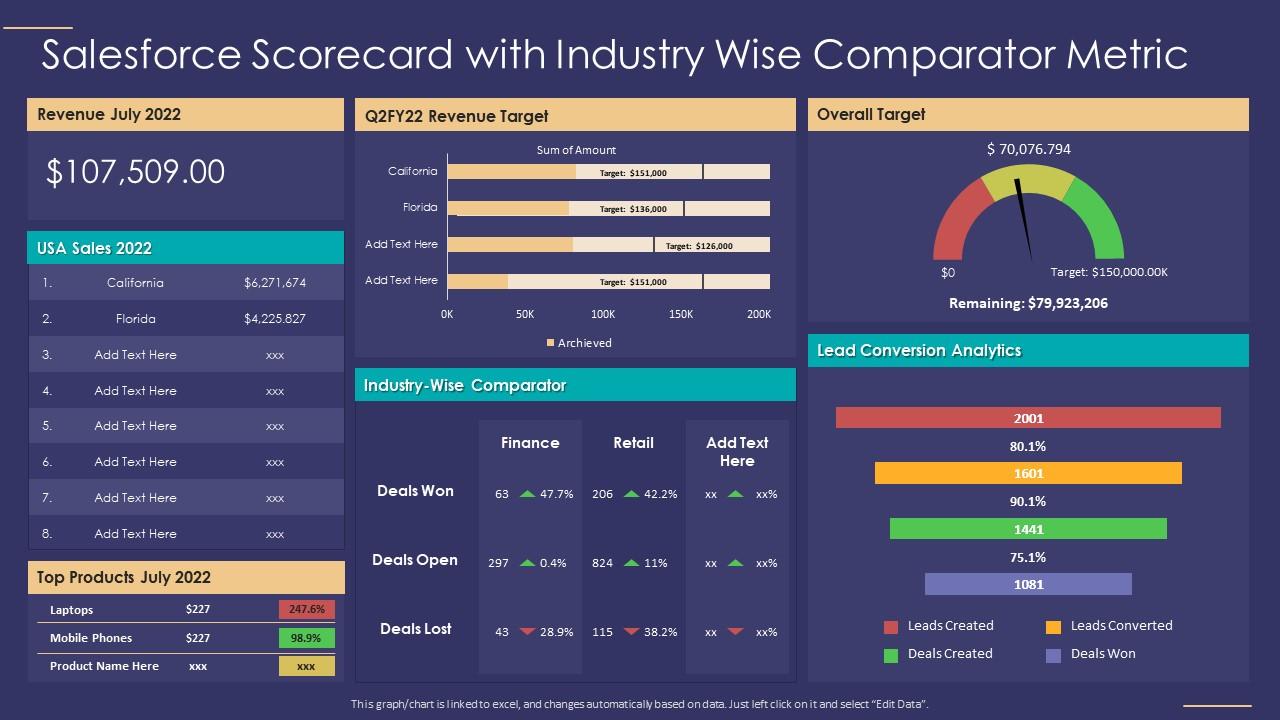
Salesforce, from about $25 per user per month up to enterprise tiers, can host a white-space KPI through custom dashboards and reports built on your account data. It will not hand you the matrix out of the box - you build it - but it has every input (accounts mapped, new contacts, cross-sell attach, expansion ARR) the composite needs.
Best for teams already standardized on Salesforce that want the expansion score living next to the pipeline.
3. Demandbase

Demandbase is an account-based platform (custom pricing, commonly $30,000 to $100,000+ per year at scale) that maps buying centers, intent, and white space inside target accounts. It shows reps which departments and personas have not been touched, generating the activity the matrix scores.
It is more intelligence engine than scorecard, but it tells reps where the white space actually is. Best for enterprise teams expanding into large, multi-site accounts.
4. Gong

Gong (custom pricing) scores conversations and deal activity, surfacing whether reps are actually multithreading and raising new use cases, not just servicing the renewal. It adds a behavioral dimension the counts miss - are reps even asking about other departments on calls.
It is not a comp or matrix tool, but it feeds the matrix real coaching signal. Best as a complement to the scorecard for teams with the budget.
5. QuotaPath 💎 BEST VALUE

QuotaPath is the best value here for tying expansion to pay, with a free tier and paid plans from around $15 per user per month. It tracks attainment across multiple plan components, so you can pay an accelerator on expansion and cross-sell ARR separately from renewals and show each rep how white space drives their commission.
For a team that wants the expansion behavior wired to the paycheck without enterprise cost, it is the practical pick. Pair it with the free PULSE matrix for the scoring view.
6. 6sense

6sense is an account intelligence and intent platform (custom pricing, commonly mid-five to six figures annually). It scores which accounts and buying centers are in-market, helping reps prioritize the white space most likely to convert. It produces the targeting signal the matrix rewards reps for acting on.
Like Demandbase, it is intelligence rather than a scorecard, so it complements a defined matrix. Best for teams that want data-driven expansion targeting.
7. Salesloft

Salesloft is a sales-engagement platform, with plans commonly from around $75 to $125 per user per month. It runs multithreading cadences into new contacts and departments inside existing accounts, and reports activity per rep, which maps to the white-space KPI.
It is the execution layer that turns an expansion target into outreach, so the white-space target you set on the matrix actually gets touched with a sequenced set of emails, calls, and social steps instead of sitting on a list nobody works. Best for teams that need reps systematically working new contacts in owned accounts rather than waiting for the renewal conversation to surface the next buying center.
8. LeanData

LeanData is a lead-to-account matching and routing platform (custom pricing, typically low-to-mid five figures per year). It connects new inbound contacts to the right owned account and rep, so white-space signals do not fall through the cracks. It ensures the expansion opportunity reaches the right rep to be scored.
It is routing infrastructure, not a scorecard, so it complements a defined matrix. Best for teams with messy account ownership.
9. Spinify

Spinify gamifies sales performance with leaderboards, competitions, and scorecards, with plans commonly from around $10 to $20 per user per month. It can score expansion metrics alongside new logos and pushes recognition in real time, keeping white-space behaviors top of mind.
It leans toward motivation than rigorous weighting, so it pairs well with a matrix you define elsewhere. A fit for floors that respond to visible competition.
10. Google Sheets or Excel Scorecard
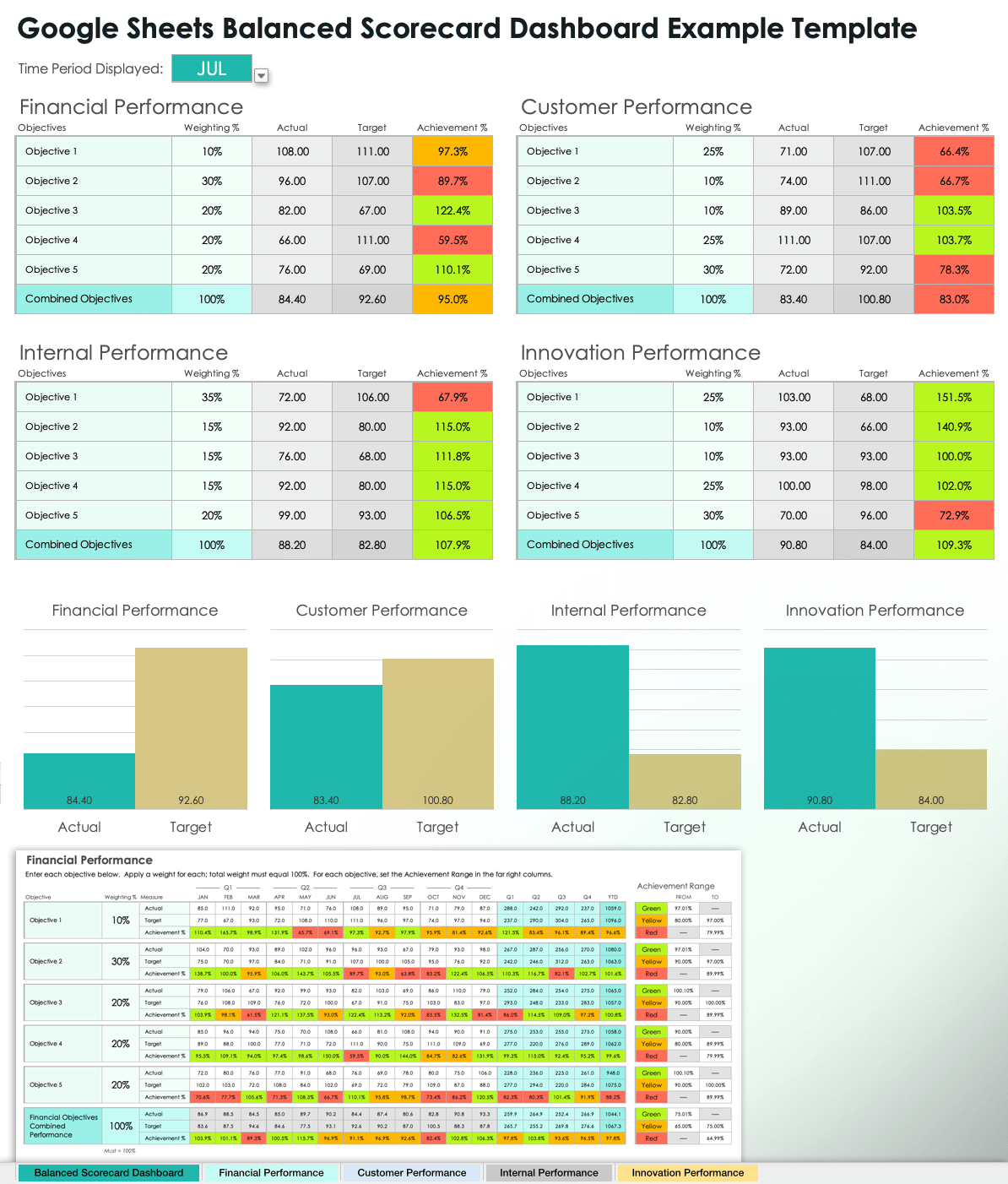
A well-built spreadsheet is free and fully transparent - list the expansion KPIs, set the weights, score 1-to-5, and let a formula roll the composite. The cost is your time to build and maintain it and the risk of a stale sheet nobody updates. Many teams start here, then move to the free PULSE Pulse Check Matrix, which is this exact model pre-built, weighted, and shareable without the spreadsheet upkeep, the broken formulas, the version-control headaches, or the one analyst who quietly owns the file and becomes a single point of failure the moment they take a week off.
How to Choose
- Define the expansion KPIs and weights first - every tool here works better once the white-space matrix exists; build it before you buy.
- Decide where the teeth live - targeting (Demandbase, 6sense), execution (Salesloft, LeanData), or pay (QuotaPath).
- Make it visible to reps - the expansion score only changes behavior if every rep can see their levels and the gap to the next one.
- Keep it re-weightable - you want to raise expansion overnight when growth must come from the base; favor tools whose weights you control.
- Prove it free first - run the PULSE Pulse Check Matrix to build and pressure-test the matrix, then add a paid layer for targeting or comp.
- Review the matrix on a fixed cadence - run it monthly in one-on-ones and quarterly with the whole team, so the scores stay honest, the coaching is timely, and reps trust that the number reflects the work rather than a stale snapshot nobody has touched in a quarter.
FAQ
How many KPIs should be on the white-space matrix? Most teams land on eight or nine total lines, with two or three on expansion - accounts mapped, new buying centers contacted, and expansion revenue closed. Too few and reps coast on renewals; too many and nobody can act on it.
How do I set the weights for expansion? Set them with leadership to reflect how much growth must come from the installed base this year - heavier when new-logo budgets are tight, lighter when the market is wide open. Publish the weights so reps understand the why, and revisit them as strategy shifts.
Will scoring white space hurt my best renewal rep? It re-points them. A rep who only renews scores high on one line and low overall, which is the signal - and the income opportunity - to start working untapped buying centers. Most strong reps chase the composite hard once the paycheck follows it.
How does the matrix keep sales, RevOps, and customer success aligned? Everyone measures the same expansion KPIs, so the definition of a good month is identical across teams and the handoffs stop arguing about who owns growth. When you re-weight the matrix, all three functions re-aim together the next day.
Bottom Line
The free PULSE Pulse Check Matrix is the Best Overall because it builds the weighted, full-job scorecard and rolls every rep into one composite Pulse number at no cost, and QuotaPath is the Best Value for wiring expansion to pay. The method is what wins: list every KPI, weight what matters, score the levels 1-to-5, and tie the paycheck and the coaching to the composite so reps work the white space.
Sources
- PULSE Pulse Check Matrix - /tools/pulse-check (free weighted rep scorecard).
- Salesforce - dashboards and reporting, salesforce.com.
- Demandbase - account-based platform, demandbase.com.
- Gong - revenue intelligence, gong.io.
- QuotaPath - quota, attainment, and pricing, quotapath.com.
- 6sense - account intelligence, 6sense.com.
- Salesloft - sales engagement, salesloft.com.
- LeanData - lead-to-account routing, leandata.com.