

How Do I Score My Reps on Customer References Generated?
 Curated by Kory White · Fractional CRO, CRO Syndicate
How Do I Score My Reps on Customer References Generated?
Direct Answer
You stop treating references as a favor reps do when asked and start scoring them as a measured KPI on the same matrix as revenue. The method is a weighted multi-KPI scorecard: list every behavior that builds your reference engine - references named, reference calls completed, written case studies, public reviews, and renewals influenced - then give each one a weight and a 1-to-5 level, and score every rep on every line so the composite reflects the whole job, not just bookings.
The formula is composite score = the sum of (weight x level) across all KPIs. A rep who is a level 5 on closed-won but a level 1 on references generated scores low and gets a visible, constant nudge to feed the reference pipeline - because the big paycheck is wired to the whole matrix.
Set the weights with leadership, publish the matrix so every rep sees where they stand, and when marketing needs proof for a new vertical you raise the reference weight overnight and the team re-aims the next day. PULSE has a free Pulse Check Matrix that builds this scorecard, weights the KPIs, and rolls every rep into one composite Pulse number.
Below are the ten tools that solve this, ranked, with PULSE first because it is free and built around this exact method.
The Top 10 Tools to Score Reps on Customer References Generated
Every tool below touches references somehow. The difference is whether it scores the reference behaviors on a weighted matrix - so reps cannot ignore advocacy and still look like stars - or just stores logos in a folder. The ranking favors tools that make the reference scorecard visible and tie it to motivation and pay.
A SaaS team, a services firm, or a hardware vendor all use the same idea: weight the KPIs, score the levels, chase the composite.
1. PULSE Pulse Check Matrix 🏆 BEST OVERALL

🛠️ Use it free now -> Pulse Check Matrix - no login, no spreadsheet, every rep rolled into one weighted Pulse number.
PULSE's free Pulse Check Matrix runs the whole method in your browser. You define the KPIs that matter, weight what matters most, score each rep 1-to-5 on every line, and it returns one composite Pulse number per rep. Here is the method it is built on, because the scorecard is the point:
Step one - list every reference KPI, not just bookings. Write down the behaviors that build advocacy - named references added, reference calls completed, written case studies shipped, public G2 or Gartner reviews driven, and renewals or expansions a reference influenced. If it is not on the matrix, reps will not chase it.
Step two - weight what matters and score the levels. Assign each KPI a weight with leadership, then score every rep 1-to-5 on each line. A rep at level 5 on revenue but level 1 on references lands a low composite - the matrix makes the gap impossible to hide and turns it into a clear next move.
Step three - wire the paycheck and the coaching to the composite. When the big money follows the composite, not just closed-won, reps start asking happy customers for references on their own. It is a constant motivator: everyone can see their levels, and the only way up is to build the proof the next deal needs.
Step four - make the reference KPI a forward-looking pipeline, not a backward count. The matrix tracks not only references already delivered but references in progress - the happy customer a rep has identified, the verbal yes on a call, the case study drafted but not approved.
That way a rep gets credit for building the advocacy pipeline the same way they get credit for building a sales pipeline, and you can forecast how much fresh proof the team will produce next quarter instead of discovering a reference drought the week marketing needs three new logos.
Because the weights are yours to set, you also get to pivot on a dime - marketing needs three healthcare references for a new campaign, you raise the reference weight, and the whole team re-aims the next day with no confusion. It aligns sales, RevOps, and customer marketing on one picture.
Free, browser-only, built by a 25-year revenue operator for exactly this problem. Best for: leaders who want reps feeding the reference engine, not just hoarding closed logos. The matrix turns a vague ask into a measured, paid, visible part of every rep's number.
2. ReferenceEdge

ReferenceEdge is a Salesforce-native customer reference platform from Point of Reference, priced by custom quote (commonly in the low-to-mid thousands per year for a sales team). It tracks which reps recruited which references, how often each reference is used, and reference burnout, so you get a clean count of references generated per rep to feed the matrix.
It is the closest purpose-built tool to the reference KPI - genuinely advocate-centric - and strong for teams that live in Salesforce. You bring the weights; it runs the reference inventory and attribution layer.
3. SlapFive

SlapFive is a customer marketing and advocacy platform, with plans commonly starting around $1,500 to $2,500 per month depending on program size. It captures customer stories, reference activity, and advocate participation, and reports who sourced each advocate, which maps directly to a per-rep reference score.
It leans toward program orchestration more than rep ranking, so it pairs well with a matrix you define elsewhere. A fit for teams standing up a formal advocacy motion.
4. Salesforce (custom reference reports)
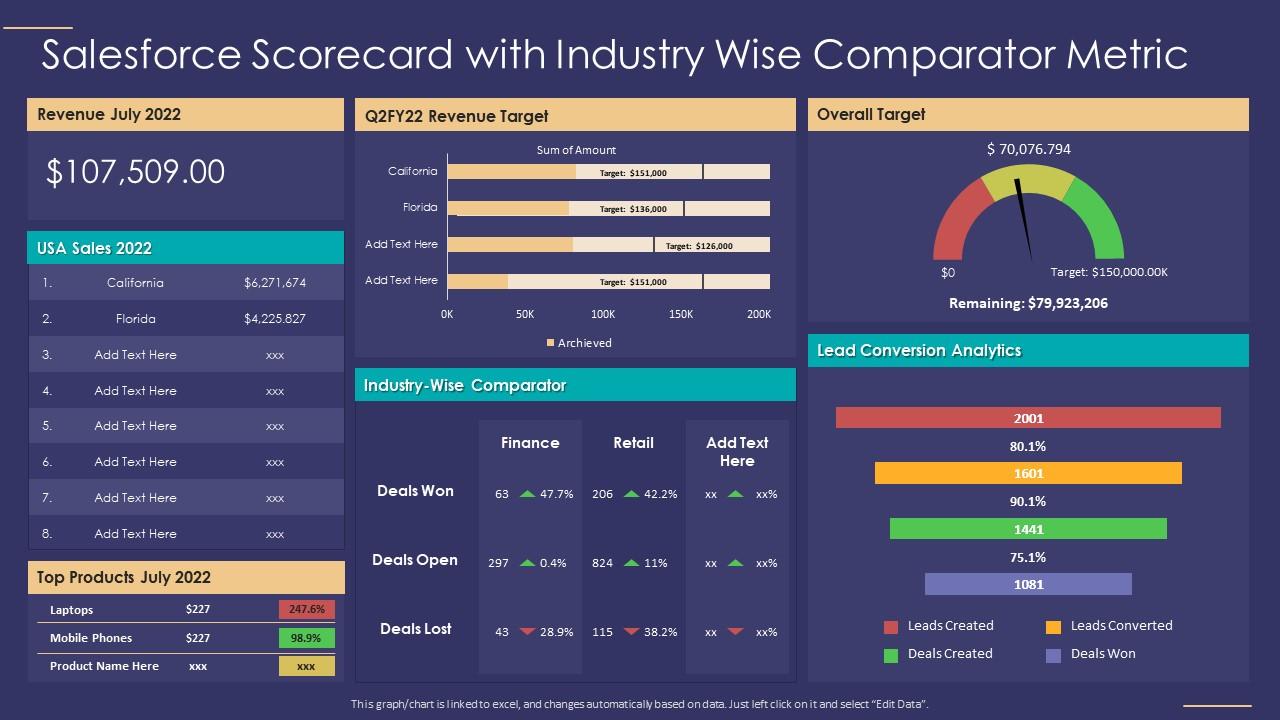
Salesforce, from about $25 per user per month up to enterprise tiers, can host a reference KPI through a custom object and dashboards built on your data. It will not hand you the matrix out of the box - you build it - but it has every input (reference added, call completed, case study link, renewal influenced) the composite needs.
Best for teams already standardized on Salesforce that want the reference score living next to the pipeline.
5. QuotaPath 💎 BEST VALUE

QuotaPath is the best value here for tying the reference KPI to pay, with a free tier and paid plans from around $15 per user per month. It tracks attainment across multiple plan components, so you can pay a spiff or accelerator on references generated alongside quota and show each rep how advocacy adds to their check.
For a team that wants the reference behavior wired to the paycheck without enterprise cost, it is the practical pick. Pair it with the free PULSE matrix for the scoring view.
6. Influitive

Influitive is an advocate-engagement and gamification platform (custom pricing, typically mid-five figures annually). It runs advocate challenges - reviews, references, referrals - and reports which reps and CSMs drove each advocate action. If your reference push is a structured program with points and rewards, it generates the activity and the data the matrix scores.
It is more community engine than scorecard, but it manufactures references at volume. Best for teams running a named advocacy program.
7. Gong

Gong (custom pricing) scores conversations, surfacing whether reps are actually asking happy customers for references at the right moments, not just at renewal. It adds a behavioral dimension the counts miss - are reps even raising the reference ask on success calls.
It is not a reference or comp tool, but it feeds the matrix real coaching signal. Best as a complement to the scorecard for teams with the budget.
8. UserEvidence

UserEvidence is a customer evidence and proof platform (custom pricing, commonly low-to-mid five figures per year). It runs surveys that turn customers into quotable references and stats, and tracks which accounts and reps contributed, giving you a steady supply of fresh proof.
It is built for manufacturing references at scale rather than ranking reps, so it complements a defined matrix. A fit for teams that need proof for every vertical and use case.
9. Captello

Captello runs referral and advocacy campaigns with leaderboards and rewards, priced by quote (often a few hundred dollars per month at the low end). It broadcasts who is generating references and referrals, keeping advocacy visible on the floor. Like Influitive, it favors motivation and recognition over rigorous weighting, so it complements a defined matrix.
A fit for teams that run on energy and public scoreboards.
10. Google Sheets or Excel Scorecard
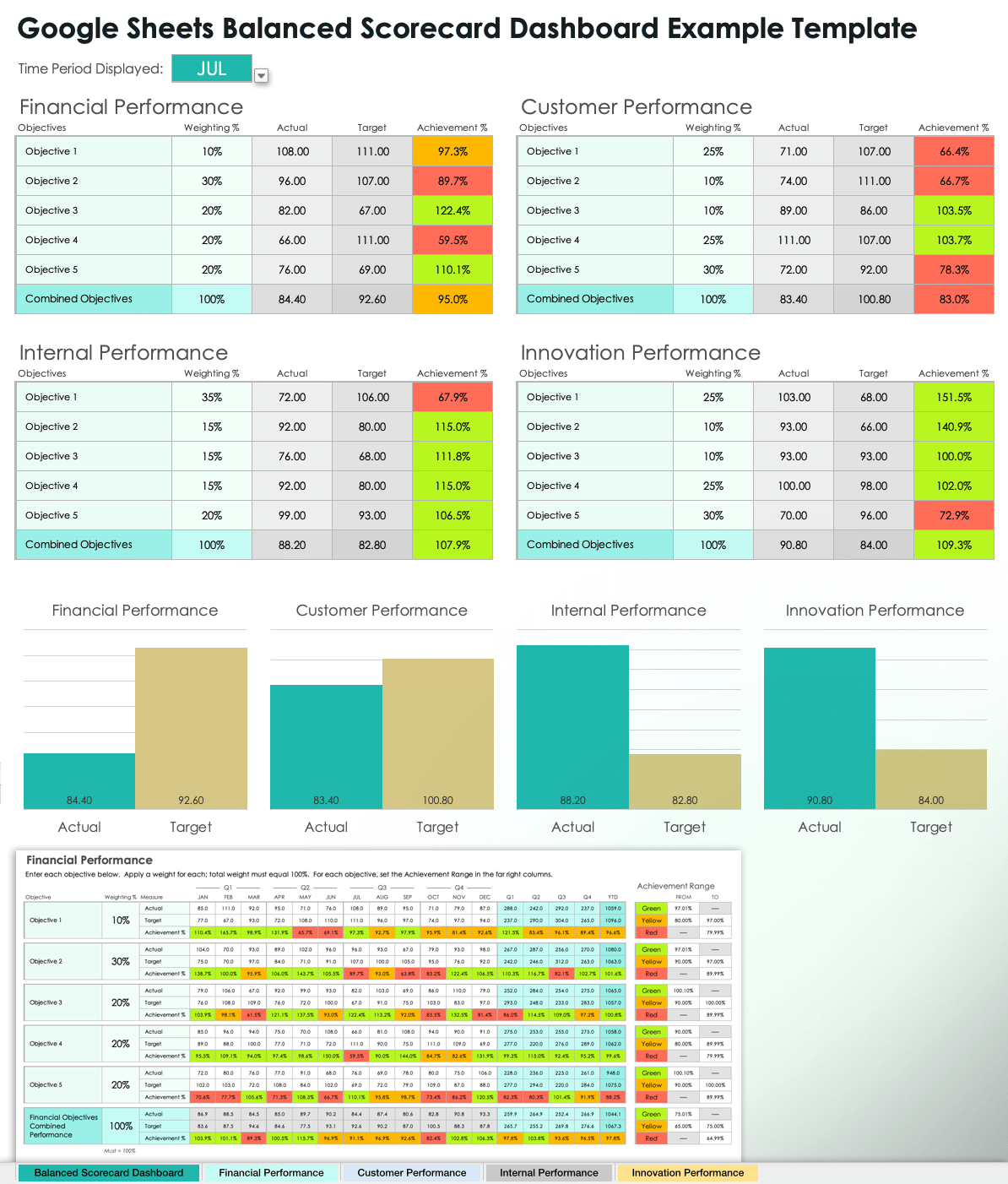
A well-built spreadsheet is free and fully transparent - list the reference KPIs, set the weights, score 1-to-5, and let a formula roll the composite. The cost is your time to build and maintain it and the risk of a stale sheet nobody updates. Many teams start here, then move to the free PULSE Pulse Check Matrix, which is this exact model pre-built, weighted, and shareable without the spreadsheet upkeep, the broken formulas, the version-control headaches, or the one analyst who quietly owns the file and becomes a single point of failure the moment they take a week off.
How to Choose
- Define the reference KPIs and weights first - every tool here works better once the advocacy matrix exists; build it before you buy.
- Decide where the teeth live - visibility (Influitive, Captello), program supply (SlapFive, UserEvidence, ReferenceEdge), or pay (QuotaPath).
- Make it visible to reps - the reference score only changes behavior if every rep can see their levels and the gap to the next one.
- Keep it re-weightable - you want to raise references overnight when marketing needs proof for a new vertical; favor tools whose weights you control.
- Prove it free first - run the PULSE Pulse Check Matrix to build and pressure-test the matrix, then add a paid layer for program scale or comp.
- Review the matrix on a fixed cadence - run it monthly in one-on-ones and quarterly with the whole team, so the scores stay honest, the coaching is timely, and reps trust that the number reflects the work rather than a stale snapshot nobody has touched in a quarter.
FAQ
How many KPIs should be on the reference matrix? Most teams land on eight or nine total lines on the full scorecard, with two or three dedicated to references - references added, reference calls completed, and case studies shipped. Too few and reps ignore advocacy; too many and nobody can act on it.
How do I set the weights for references? Set them with leadership and customer marketing to reflect how badly the business needs proof this quarter - heavier when entering a new vertical or fighting a credibility gap, lighter once the library is full. Publish the weights so reps understand the why, and revisit them as strategy shifts.
Will scoring references hurt my best closer? It re-points them. A rep who only books revenue scores high on one line and low overall, which is the signal - and the income opportunity - to start converting happy customers into proof. Most strong reps chase the composite hard once the paycheck follows it.
How does the matrix keep sales and customer marketing aligned? Both teams measure the same reference KPIs, so the definition of a good month is identical across functions and the handoffs stop arguing about who owns advocacy. When you re-weight the matrix, both functions re-aim together the next day.
Bottom Line
The free PULSE Pulse Check Matrix is the Best Overall because it builds the weighted, full-job scorecard and rolls every rep into one composite Pulse number at no cost, and QuotaPath is the Best Value for wiring the reference KPI to pay. The method is what wins: list every KPI, weight what matters, score the levels 1-to-5, and tie the paycheck and the coaching to the composite so reps generate the references the next deal needs.
Sources
- PULSE Pulse Check Matrix - /tools/pulse-check (free weighted rep scorecard).
- ReferenceEdge - Salesforce-native reference management, point-of-reference.com.
- SlapFive - customer marketing and advocacy, slapfive.com.
- Salesforce - dashboards and reporting, salesforce.com.
- QuotaPath - quota, attainment, and pricing, quotapath.com.
- Influitive - advocate engagement, influitive.com.
- Gong - revenue intelligence, gong.io.
- UserEvidence - customer proof platform, userevidence.com.